Your home’s protective layer shields it from the elements 24/7. This tough job calls for strong, durable siding you can rely on. When siding ages or becomes damaged, it creates vulnerabilities that compromise the very fabric of your home’s defense, setting the stage for costly major problems. The dilemma homeowners experience comes when they want to wait as long as possible before investing in new siding, and challenging consequences follow.
Learn the signs it’s time for siding replacement and bypass the trouble faulty siding can cause.
Don’t Risk the Possibility of Moisture Intrusion Due to Faulty Siding
1. How old is your current siding?
If your siding was made well and installed with precision, it can last decades. But when it lives out its lifespan, it’s time to part with it.
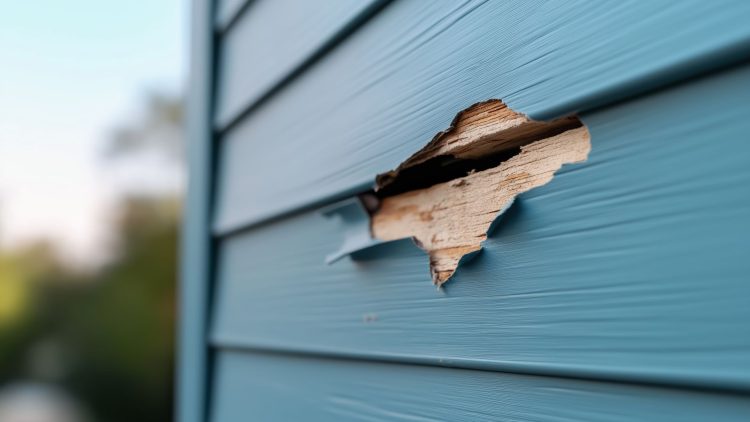
Take a walk around your exterior and carefully examine your siding. Is it sagging, cracking, blistering, or fading? Are there missing siding panels? Do you see signs of insect infestation? What year was it installed? The answers to these questions can help you determine if you need new siding.
2. How well was your siding maintained over the years?
Have you cared for your siding during its lifetime? Wood siding needs to be repainted every 5–10 years, and if that isn’t done, your exterior will likely suffer water intrusion. If left unaddressed, that can lead to water in your walls. Moisture penetration can cause siding deterioration and open the door for pests to invade.
The problems with your exterior will continue to escalate if you have not maintained your siding well over the years. This will increase the likelihood that you’ll need siding replacement sooner rather than later.
3. What is your siding made of, and how long is it expected to last?
If your siding was installed with attention to detail by an experienced contractor, it should go the distance. Depending on its makeup and manufacturer, here is how long it is expected to last: Vinyl siding can last up to 20 years, but may show signs of aging at 10 years. Fiber cement siding typically lasts up to 50 years. Aluminum siding endures for 20-40 years, and wood lasts up to 20-40 years when well maintained.
4. Has your siding suffered damage? What type?
Did a storm pass through your area and cause your siding to be compromised? Pest damage and woodpecker problems can create serious issues for your siding, making replacement an attractive next step.
If your home has been the target of woodpeckers, siding replacement is imminent. Once woodpeckers make your exterior their home, they come back every year until you re-side with a material that won’t accommodate their preferences in food and lodging. Re-siding with fiber cement is one of the only lasting solutions to keeping woodpeckers at bay in the future.
5. How many more years do you plan on living in your home?
If you plan to stay in your home for a while, investing in low-maintenance siding that is known for longevity is a wise step to take. If you plan on moving in the near future and your current siding is worn out, new siding can boost your home’s curb appeal and elevate its value. Upgrading your exterior with new siding positions your house to sell quicker and for a higher amount.
6. How does your home compare to other houses in your neighborhood?
Most houses in your neighborhood were built around the same time period and with the same—or similar—materials. If the homes in your area are having their exteriors upgraded, it’s likely time for you to upgrade yours too.
7. What is the style and color of your current siding?
Does your home’s siding style and color mirror current trends? Is it traditional and timeless? If your exterior shows signs of wear and tear, it’s probably time for siding replacement. Not only that, but if it’s wearing out, its style and color likely need an update too. Replacing your current siding gives you the perfect opportunity to say goodbye to outdated styles and colors and hello to more modern exterior styles and hues.
8. Are your energy bills skyrocketing?
When utility bills soar beyond the norm, it may be due to a variety of reasons. You may have a leak in your attic, faulty insulation, old windows or doors, or worn-out siding. If you’ve ruled out other possible contributors to your high energy bills, contact a reputable contractor (like us!) and ask for a free estimate. They will fully evaluate your current siding and give you valuable input on the best timetable for its replacement.
New siding will safeguard your home from the elements and insulate it from outdoor temperatures, keeping your heat indoors each winter and air conditioning inside each summer. Your utility bills will reflect the positive change once siding is replaced, and your HVAC system won’t have to work as hard, helping it to last longer.
9. Is your home’s interior paint peeling?
If your wallpaper is loose or your interior paint is peeling, it may mean moisture is permeating your siding and getting into your walls. This can cause significant damage to your home.
Update Your Home with Beautiful New Siding
If you’re unsatisfied with the overall look of your home and tired of doing too much maintenance on its exterior, it’s time for a siding replacement. Your house is more than just a place to live. It’s a place to cherish where you grow your roots and dreams—and it should be beautiful!
At Bluff City Exteriors, we have provided thousands of beautiful exterior renovations that give homeowners the home style and low maintenance they desire. Learn more about how our siding replacement services can elevate your house’s appearance, decrease the need for maintenance, and safeguard your home from the elements.