Thinking about a new roof—or planning a home addition? Then you’ve probably realized there’s more to roofing than just shingles. The shape of your roof does a lot of heavy lifting: it affects your home’s durability, energy efficiency, attic space, and yes—its overall curb appeal.
With your roof making up as much as 40% of your home’s exterior, choosing the right style is about more than just looks. From classic gables to eye-catching butterfly designs, understanding the most common roof types can help you find the perfect match for your home’s architecture and your region’s climate. Plus, it gives you the language and confidence to communicate clearly with your contractor—so the end result reflects your vision.
In this guide, we’ll walk you through the 11 most popular roof types and what makes each one unique, functional, and beautiful. Whether you’re building new or upgrading your existing roof, you’ll gain the insight you need to make a smart, stylish decision.

Popular Roofing Styles
1. Gable Roof
This traditional roof features two sides that slant and meet at the highest point to form a triangular covering on your house structure. This is a versatile roof type and popular in snowy and rainy areas for its exceptional ability to allow snow or rain to flow down its slanted sides.
2. Hipped Roof
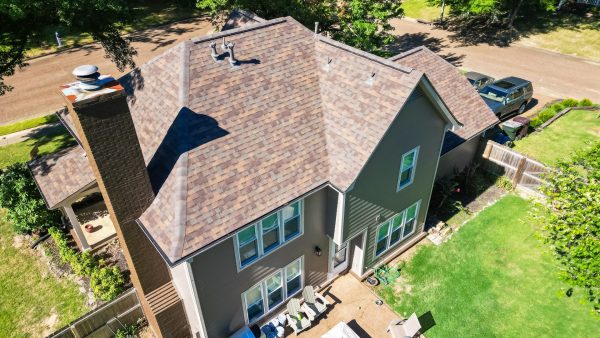
This is like a gable roof, but the ridge at the top is formed by four sides instead of two. The even weight distribution makes this shape practical in regions of the country susceptible to storms and high winds. The four sides provide more stability to a home’s structure, so they can stand up to severe weather with greater ease. Hipped roofs offer more attic space than gable roofs provide.
3. Clipped Gable Roof
This roofing style is designed with the basic shape of a gable, with two sides rising to meet a ridge—but then it adds an element from hip roofs: The top peaks are bent in, creating small hips at the ends of the roof ridge. This architectural detail adds visual interest and allows you to showcase stunning designer shingles to set your home apart.
4. Dutch Gable Roof
This combination style roof incorporates elements of gable and hip roofs. It is created by resting a miniature gable roof atop a traditional hip roof. The gable part offers you increased attic space, and windows can be added to usher sunlight in.
5. Gambrel Roof
Also known as a barn roof, this symmetric roof is made up of two slanted sides. The sides have a steep lower slope and a shallow upper slope. It offers great attic space but isn’t ideal in regions of the country that experience severe weather.
6. Mansard Roof
This roof finds its origin in French architecture. Its four-sided design with double slopes has super steep lower slopes (which can be flat or curved). This roof type allows you to make full use of your home’s top story with an abundance of interior attic space and several windows. Add dormers to this roof, and curb appeal will soar. Create an old-world aesthetic with this roof type by using shingles with a slate-like shape such as Owens Corning® Berkshire® shingles.
7. Pyramid Roof
This is an offshoot of the hipped roof but shaped like a pyramid. It consists of four triangular slopes that join at the top to form a peak. This is a great roofing style for garages, gazebos, and sheds. It’s highly durable due to its equal weight distribution on all sides and can stand up against high winds and harsh weather with ease.
8. Shed Roof
This “lean-to” looking structure resembles half of a traditional gable roof. It’s common on porches and home additions and is a particularly popular design for modern homes. This roof style is achieved when a single slope goes from the side of your home to its peak. It has only one horizontal line and slopes down.
9. Flat Roof (Low Slope Roof)
Although this type is called a “flat roof,” it has a slight angle to it to ensure water is channeled toward the drain. A flat roof isn’t the most popular option in snowy and rainy climates, but its longevity is a real plus (it lasts up to 50 years!). Flat roofs offer extended outdoor living space for residents and are common in buildings found in urban areas.
10. Saltbox Roof
This is a type of gable roof made of two asymmetrical slopes, one long and the other short. It is common in areas with heavy rainfall because the steep slope helps channel water downward.
11. Butterfly Roof
This modern roof design, also called a “V Roof,” resembles lifted wings that slope inward. This roof type comes either symmetrical or asymmetrical and offers eye-catching appeal that can make your home stand out. Ideal for dry climates, this roof style enables water collection and storage. It doesn’t have gutters; therefore, water flows down it and can be stored in a holding tank for later use.
Note: Building codes and HOA restrictions should be researched before deciding on your roof type.
How Does My Home’s Roof Type/Style Impact Other Facets of My New Roof?
Can Owens Corning roofing shingles be used on all roofing types/styles?
Yes, with limited exceptions to certain roof slopes.
Once roof type is decided, is it possible to try on my favorite roofing materials and colors?
Yes! Owens Corning’s color and design tools allow you to see what your roof would look like with a variety of shingle styles and colors to help you coordinate exterior elements.
Enhance Your Greater Memphis Area Home’s Curb Appeal and Value with a Gorgeous Replacement Roof
When your roofing components age, it puts your home at risk of costly, damaging leaks. With a premium roof replacement, your house will be protected from the effects of storms and look beautiful!

At Bluff City Exteriors, as a family-owned business, our local roots and commitment to honesty and punctuality set us apart from our competition. As an Owens Corning Preferred contractor, we are in the top tier of a premier network of roofing professionals dedicated to reliability, service, and craftsmanship, so you can count on a precise roof installation.
Learn more about how our roof replacement services can protect your home while enriching its appearance.