There are several ways winter weather can damage your home—sometimes harshly. Ice dams pave the way for damaging moisture infiltration to enter your home.
Ice dams can create serious (and costly) problems if they aren’t dealt with properly. Read on to learn more about how to prevent troublesome ice dams from developing on your roof this winter.
How to Avoid the Formation of Icicles and Ice Dams
Ice dams begin to form when snow on your roof melts due to your attic’s heat. Water collects on your roof eaves near your gutters. Next, the water turns to ice when temperatures drop. The ice builds higher with every freeze-thaw cycle, creating an increasingly more damaging ice dam on your roof.
Water forms behind the ice dams since it can’t escape. The trapped water eventually works its way under your asphalt shingles. It then leaks through your roof deck, into your attic, and through your ceilings. The good news? All this can be avoided with some basic prevention.

1. Ensure You Have Adequate Insulation
Upgrade your current attic insulation to ensure its temperature stays consistent. The best plan is to stop the transfer of heat through your roof (which triggers the freeze-thaw cycle). An extra 8-10 inches of attic insulation will help keep heat inside your home rather than leaking through your attic. You’ll spend less on utilities as a result, and help keep ice dams from forming.
2. Seal Interior Airflow Leaks in Your Attic
Regardless of how much insulation you have, if warm air from your home interior flows through gaps and vents, your attic will be too warm to keep ice dams at bay. Don’t let hot air get where it doesn’t belong. How? By sealing the air leaks. Have a professional seal gaps around sewer vent pipes with expanding foam. Hire someone to reroute bathroom and dryer vents from your attic through an exterior wall in your home instead. Add insulating foam to block warm air from flowing from your house’s interior into your attic.
3. Install Soffit Vents and Roof Vents to Your Home
Soffit vents can be installed where your roof eaves connect the edge of your roof to your house. These intake vents promote airflow into your attic, which helps keep ice dams at bay. Also, add exhaust vents to your attic near the top of your roof. This allows for a constant flow of fresh air circulation through your attic, which will keep your roof deck from heating up and contributing to ice dam formation.
4. Have Snow Removed from Your Roof
It’s too dangerous to climb on your roof, so we advise against that. But removing the snow from your roof can be a smart strategy in preventing ice dams. Either hire a professional to do this or invest in a roof rake. A long-handled roof rake (not a garden rake!) is designed to remove snow from your roof. This will reduce the amount of snow that can melt and build up behind ice dams, safeguarding your home from damage. Rake your roof from top to bottom. You’ll be removing snow (not ice dams). Don’t try to chip ice off your roof with the rake, as you could damage it as a result.
5. Keep Your Attic Cold
One of the primary keys to avoiding ice dam and icicle formation is to keep your attic and roof cold. A warm roof will have clear spots where snow melted off and icicles hanging from roof eaves. Lowering your attic’s temperature will prevent heat transfer from your attic to your roof. Recessed lighting, exhaust vents, plumbing, or HVAC pipes can all be problematic sources. Rerouting, replacing, or wrapping (in insulation) anything that could raise the temperature of your attic will help diminish this problem.
6. Clean Your Gutters
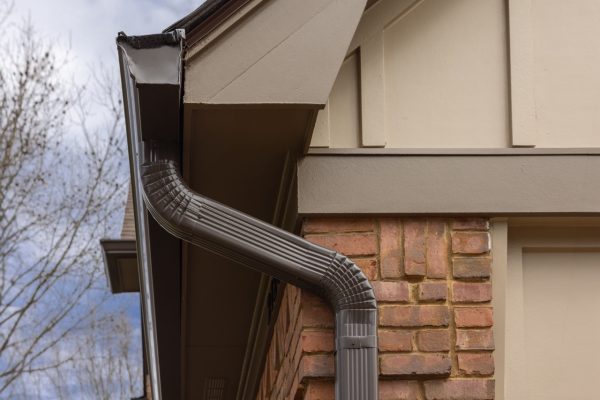
Every spring, fall, and after major storms, clean your gutters. Ensure debris doesn’t remain in them and cause clogs that prevent water from draining from them freely. Better yet, have a professional install gutter guards on your gutters to allow water to flow into them and keep debris out of them. Snowmelt will flow down into your gutters rather than under your shingles when gutters and downspouts are in good working order.
What NOT to Do When Ice Dams Form on Your Roof
Don’t try to remove ice dams yourself!
Leave the job of removing ice dams from your roof to the pros, or if they aren’t infiltrating your roof deck, attic or ceilings, simply wait for temperatures to warm up and they will eventually thaw out. Homeowners who try to remove ice dams with improper techniques end up creating costly damage to their roof in the process.
What to Do When Ice Dams Form on Your Roof
Hire a professional to remove the snow on your roof and steam away the ice dam. The commercial steaming equipment they use will heat water and dispense it under pressure, and they will remove the dam in its entirety.
Keep in mind that if you don’t deal with the root cause of the ice dam formation, the situation will continue to occur. Hiring a professional to remove ice dams doesn’t solve the root cause.
Get a Resilient, Reliable Asphalt Roofing System
Your roof isn’t just about the asphalt shingles you can see from the ground. It’s a comprehensive system engineered to safeguard your home from the elements and provide the insulation your house needs to maximize your energy savings. Your roof adds beauty to your curb appeal and enhances its value.
At Bluff City Exteriors, we give meticulous attention to detail when installing your new roof from your eaves to your ridge and every detail in between. We go the extra mile to ensure your roof endures the elements with ease. Learn more about how our residential roofing services can restore your home’s defense from the elements and add attractive curb appeal to your property.