After driving wind and rain, a tornado, hail, or other severe weather pass through the area, it’s vital that you assess the condition of your exterior for damage—primarily your roof. Storms blow through and often wreak havoc on homes.
If a tree falls on your roof during a storm and penetrates it to the point that water is leaking into your house, you have the added pressure to deal with the leak and any water infiltration to keep your home free from unhealthy mold growth. It’s important to address roof damage after a storm speedily.
Step-by-Step Guide to Inspecting Your Roof after a Storm
Walk around your home’s perimeter after a storm to assess damage. Grab some binoculars and step away from your house to get a good look at your roof from the safety of the ground. If you spot concerning damage, contact a reputable roofer (like us!) and have your roof professionally inspected.
The integrity of your home’s protective layer is nothing to take lightly, so when in doubt, reach out to the pros. Some damage may look subtle, but it’s important to deal with it to prevent bigger problems in the future.
1. Document Any Roof Damage
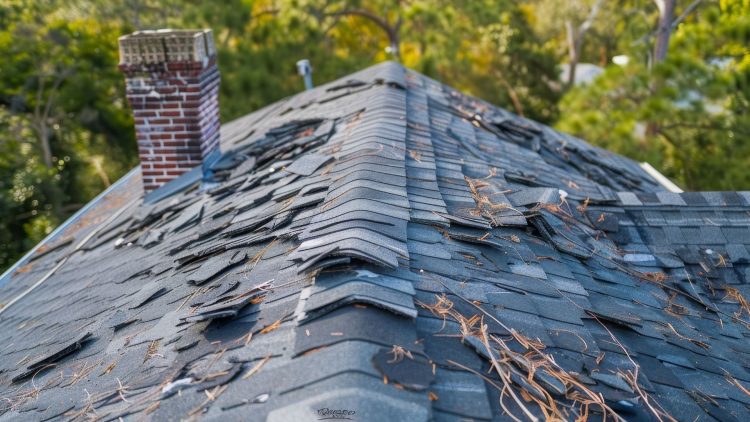
If your roof was damaged due to a storm, it’s likely insurance may be involved in its repair or replacement. After a storm, take pictures and jot down notes on the damage you found right after the storm. Look for dented, torn, curled or missing shingles, fallen trees, roof leaks and more.
2. Check for Missing or Damaged Roof Shingles
High winds can cause shingles to loosen and detach from your roof, leaving gaping areas vulnerable to moisture intrusion. When shingles are missing or damaged, your home’s protective layer is prone to deterioration, causing it to age quicker. Shingle issues should be repaired promptly. Contact a local roofer, and if the problem is minor, it should be repaired. If the issue covers a large portion of your roof, a replacement is likely needed.
3. Look for Water Leaks
Check the ceilings in the highest floor of your home. If they show signs of water leaks like discoloration, you’ve got a roof leak that needs to be addressed quickly. Notice any musty or moldy odor around your house and realize that can also be an indication you may have a leaky roof. Check to see if your drywall is intact, or if moisture is causing it to bulge out due to a roof leak. Moisture penetration in your home is cause for concern, so it’s important to contact a trusted roofing contractor for an inspection.
4. Check for Granule Loss
Granules safeguard your asphalt shingles from the sun’s UV rays. Severe weather can cause a lot of granule loss on your roof, leading to weakened shingles. Hail is often the culprit of granule loss. Look for discoloration or dark spots on your roof, and check the ground beneath your downspout for granules. Gutters are also a place granules can collect. A roofer can take a closer look at your shingles for granules loss and give you an accurate idea of how to remedy the situation so your home is protected.
5. Inspect Your Gutters and Downspouts
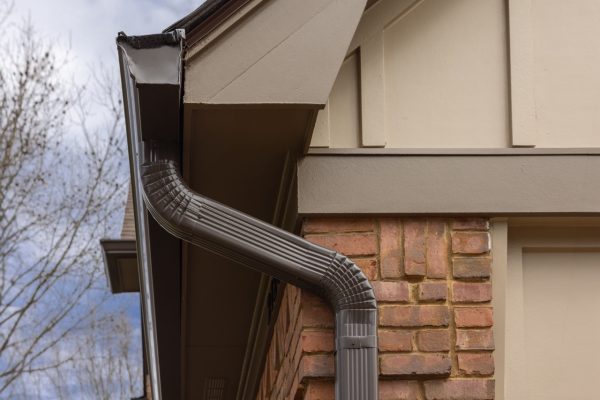
Gutters and downspouts may dent, crack, or pull away from your home, causing them to fail in their important job of channeling water away from your house. Debris like leaves and dirt may clog gutters and make them inoperable after a storm. If you don’t deal with faulty gutters and downspouts, water may pool around the perimeter of your house. And if you don’t attend to the situation, it may cause your basement to flood and negatively impact your home’s structural integrity. Contact a trusted roofer to have your roof inspected.
6. Assess Your Attic for Damage
Grab a flashlight and inspect your attic for damage after a storm. Look for moisture penetration on your attic walls, and see if insulation is wet. Notice if there is a moldy smell to your attic, which is another indication of water intrusion. Check for cracked or damaged rafters, wood rot, or other signs of damage. Your attic plays a vital part in the longevity of your roof, and it’s important to address your attic’s problems if it incurred damage in the storm. Contact a roofer with a good reputation to have them inspect your attic.
7. Call Your Insurance Company if You Have Storm Damage
It’s important to contact your insurance company swiftly if your property incurred storm damage. They will have specific direction for you on the proper steps. Filing a claim with your insurance company is vital to moving the restoration process forward.
8. If Water Penetrated Your Home Due to the Storm, Initiate Water Remediation Services
Mold can begin to grow in as short as 24-48 hours once it penetrates your home’s protective layer and enters your abode. Insurance companies typically encourage homeowners to initiate professional water remediation services to keep unhealthy mold from growing.
9. Contact a Reputable Roofer to Assess the Damage
Look for a roofer who is licensed and insured, and offers a warranty on their work. They should provide you with a detailed written estimate of your roof replacement. Check the Better Business Bureau, Angi, and online reviews, and ensure they have a local office in case you need anything after the job is done.
Protect Your Home with a Durable New Roof
When storms pass through the area, leaving you feeling overwhelmed in their wake, know that you’re not alone. At Bluff City Exteriors, we are here to help. We can replace your damaged roof with durable Owens Corning roofing shingles. We offer reliable roof replacement in the Germantown and surrounding Memphis area.
Our roofing installations are done with attention to detail and according to the manufacturer’s best practices. Learn more about how our roofing services can restore the protection your home needs after a storm.