The greater Memphis area can experience severe weather, and when storms blow through—your roof is at risk of damage. After a storm, ensure your home’s protective layer is intact and shielding your house from costly moisture damage. Walk around your home and use binoculars to inspect your roof (from the safety of the ground) after a harsh storm, and look for signs that you need a repair or replacement.
Read on to know how to spot storm damage. If you see signs of roof issues after severe weather, contact a reliable contractor to have your roofing system professionally inspected.
How to Know if Your Roof Suffered Wind Damage after a Storm
Your roof was engineered to safeguard your home from damage, but some harsh weather can test it to the limits and leave a wake of trouble in its path.
1. Are shingles missing from your roof?
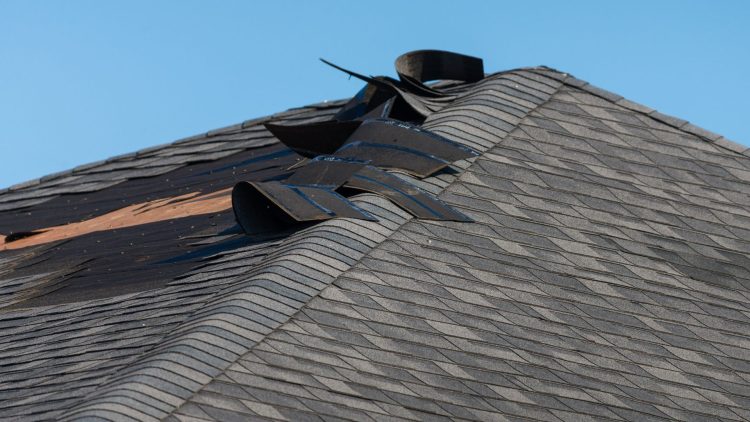
High winds can cause asphalt shingles to blow off your roof deck and leave bald spots in their wake. Missing shingles lead to roof leaks, and if left unnoticed, they put your attic and the rest of your home at risk of damage. When moisture invades through roof leaks—mold, mildew, rot, and deterioration result. The longer issues are left unattended, the greater (and more costly) the repair or replacement job.
2. Does it look like the asphalt granules have worn off your roof?
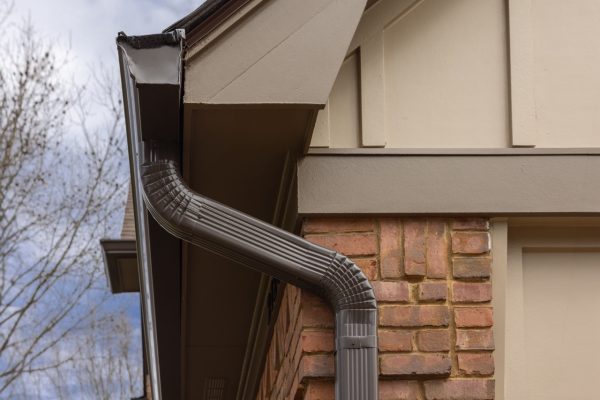
Asphalt granules safeguard your roof from the damaging effects of UV light and prolong their lifespan. When high winds cause granules to detach, you’ll find them in your gutters, your yard, and at the base of your downspout. Missing granules can compromise your home’s protective layer over time, leaving your house more vulnerable to costly damage from roof leaks.
3. Are your asphalt shingles flapping in the wind?
For your roof shingles to do their job, they need to be sealed to each other as one water-tight unit. When shingles get loose and start to flap, they rub against the shingles above them, wearing down their protective features, and putting your home at risk of damage.
4. Do your shingles look like they have curled?
High winds can cause roof shingles to lift or curl at their edges. Asphalt shingles should be flat on your rooftop, not lifted at the corners. If your shingles have lifted or curled, your roof is compromised and vulnerable to leaks.
5. Are your shingles cracked?
When you inspect your roof with binoculars after a windstorm, look for any cracks in your shingles. High winds can cause them to crack along their edges, putting your house at risk of moisture penetration.
6. Do you spot visible roof damage?
If you can see your roof deck when you inspect it from the ground, then your home is at risk of harmful leaks. Contact a reputable roofing contractor (like us!) swiftly to schedule a professional inspection.
7. Is your home’s flashing damaged?
Flashing is the metal or rubber material installed around your roof penetrations (chimney, vents, skylights…) and along its edges. Severe winds can displace or damage your flashing, creating leaks and costly water damage.
8. Are your soffits damaged or missing?
Soffits play a vital role in safeguarding your house by directing water away from your siding and roof’s perimeter. High winds can lead to damage by causing cracks, loosening, or bending of your soffits. If wind is severe enough, it may even cause your soffits to detach. This creates an opening where water can enter your home (and pests may invade as well!).
9. Is water leaking into your home?
Wind damage can compromise the integrity of your roofing system and create leaks that harm your home interior. From wall insulation to your rafters, water can cause mold, mildew, rot, and premature deterioration.
10. Is the paint inside your home peeling?
Surprisingly, it’s important not only to check your home exterior after a storm, but also to look inside your home for signs of damage. If your interior paint is suddenly peeling for no apparent reason, it may be a result of wind damage to your roof.
11. Are the ceilings of your home’s highest floor discolored?
Discoloration of your home’s highest level’s ceilings is a sure sign you have a roof leak. If you recently had a severe storm in your area with high winds, that could be the culprit. Contact a trusted roofing contractor for a free inspection.
12. Are there signs of moisture intrusion in your attic?
Damp wood or insulation in your attic is a sure sign of damage to your roof. Climb into your attic with a flashlight and inspect it for mold, mildew, and rot. If you see moist attic insulation, you likely have a roof leak.
How High Were the Winds that Damaged Your Shingles?
If the winds that damaged your home’s shingles were above the manufacturer’s wind coverage, consider filing an insurance claim. If they weren’t above your shingles’ wind coverage, contact the manufacturer to file a claim.
Every manufacturer outlines the wind warranty their asphalt shingles will stand up against. In the future, compare how high a wind speed various shingle types are warrantied to protect your home from before settling on which to have installed on your new roof.
Give Your Home a Fresh New Look with a Beautiful Roof Replacement
Don’t risk your home’s protection by putting off a needed roof replacement. Increase your property’s value and aesthetics with a new roof.
At Bluff City Exteriors, we are an Owens Corning Preferred Contractor, so you can expect professionalism, reliable results, and unparalleled craftsmanship when it comes to your roof installation. Our unwavering commitment to quality is displayed in every exterior upgrade.
As a local, family-owned business, we have a deep understanding of the needs and preferences of our community. Learn more about how our roofing services can add beauty to your home’s curb appeal while safeguarding it from the elements.