When it comes to your roof, don’t underestimate the impact severe weather like thunderstorms, high winds, hailstorms, and tornadoes can cause. Storms may come and go quickly, but they can leave behind problems that, if left unnoticed, create even bigger headaches down the road.
That’s why it’s so important that you know what to watch for after strong winds blow through. By learning the common signs of wind damage, you’ll be able to catch issues early and take proactive steps to protect your home’s roof (and your wallet!) from costly repairs.
How to Spot Wind Damage on Your Roofing Components
High winds can pose a threat to your home’s integrity by causing major damage to your roof. Sometimes the damage comes from the wind itself, other times from flying debris—but either way, you will see the effects of the wind. Here’s what to look for:
1. Missing Shingles
The most obvious indicator of roof damage is missing shingles. If even one asphalt shingle goes missing, your exterior is vulnerable to moisture damage. Don’t risk the trouble compromised roofing can cause by overlooking wind damage to your roof. If shingles blow off your home’s protective layer, contact a reputable roofer for an inspection promptly so you can resolve the situation. If just a few shingles go missing, they can be repaired. If a large number blow off, you may need to replace your entire roof.
2. Damaged Soffit and Fascia
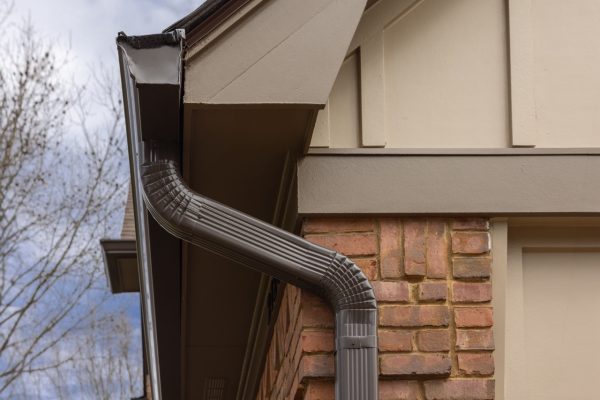
Your soffit is the horizontal surface under your roof’s overhang that bridges the gap between your exterior wall and your roofline—and provides ventilation to your attic. And your fascia is the board on the edge of your roof that delivers a clean finish and a surface for your gutters to be attached. Soffit and fascia are two small, yet vital components to your roofing. They direct water away from your siding and roof perimeter.
High winds can cause them to crack, loosen, or bend. In severe instances, they may even detach from your home. Damaged soffit and fascia compromise your home’s protective layer and can allow pests to enter and cause costly problems. They can also create leaks that lead to unhealthy mold, rot, and deterioration of your roof decking. The solution? Contact a local roofing company you trust for an inspection, and repair or replace damaged roofing components to shore up your home from damage.
3. Detached Granules
Some granule loss over time is normal, but when high winds blow through the area and cause a significant number of granules to detach from your shingles, that merits a call to your local roofer for an inspection. Why? Because granules protect the surface of your shingles and contribute to their longevity. Without them, your roof is subject to harm from the effects of 24/7 exposure to the elements, harsh UV rays, and more. So, take a look at your gutters and downspouts to see if you spot granules piling up. If you do, realize your roof is aging quicker than it should due to the lack of protection it should be receiving from granules.
4. Roof Leaks
It sounds surprising, but you can spot roof damage inside your home! Look for unsightly water stains, peeling paint, or damp wood in your attic. The insulation in your attic may look soaked and worn down. This is an indication of a roof leak. Also, wallpaper can detach due to a roof leak caused by high winds. The problem may show up as a musty smell in your home or attic. Addressing interior signs of wind damage quickly is vital to safeguard your home from further moisture intrusion and block the possibility of structural damage to your biggest investment—your home!
5. Creased Shingles
Pressure from high winds can cause your asphalt shingles to fold upwards, resulting in the development of creases. These are hard to spot, but if you grab some binoculars and step away from your home, you can get a good look at your roof shingles from the safety of the ground. To spot creased shingles that are damaged by high winds, look for darker lines across the horizontal length of your shingles. These creases weaken your roof shingles and can compromise the integrity of your roof over the years. To protect your house from damage, have your roof inspected regularly and after major storms—particularly if you spot creased shingles.
6. Visible Roof Decking or Underlayment
Walk around your home after major storms and inspect your roofing and siding. If you can see your roof deck or underlayment from the ground, your shingles may have blown off or become damaged by the wind. This exposes vulnerable layers under your shingles and allows moisture to invade your home. The longer you leave this type of problem, the worse it gets and the more it will cost to fix it. If you see your roof deck or underlayment, contact a local roofer to have it inspected promptly and get the repairs you need done quickly.
Understand the Value of a Thorough Roof Inspection
Don’t allow your home’s integrity to be compromised due to wind damage, roof leaks, or normal wear and tear. If you’re questioning the integrity of your roof due to wind damage, contact our team to do a thorough inspection so we can assess the extent of the damage, provide an accurate assessment, and recommend the necessary repairs or replacement.
Protect Your Home with an Attractive, Durable New Roof
If your roof has been damaged significantly by severe weather, or is simply worn out, you can optimize your house’s protection by replacing your roof with a resilient asphalt roofing system. At Bluff City Exteriors, we are an Owens Corning Preferred contractor, so we go the extra mile to ensure your roof can handle anything Memphis weather throws at it. Learn more about how durable roof replacement can safeguard your house from moisture damage while enhancing its beauty and value.